1. Introduction
Food security remains one of the major developmental challenges in sub-Saharan Africa, where climate change, population growth, and reliance on imported grains exacerbate the vulnerability of rural communities. In Ghana, particularly the northern regions, indigenous grains like Early Millet (locally known as Naara) play a crucial role in sustaining household diets.
Despite its resilience and nutritional value, Early Millet has not received adequate attention in policy, agriculture, and food consumption research. This study bridges this gap by focusing on Zuarungu households. The introduction further outlines the problem, objectives, research questions, and the significance of the study.
1.1. Background to the Study
Early millet (Naara) is a highly nutritious and resilient grain cultivated in northern Ghana, particularly in the Upper East Region. Rich in essential minerals such as iron, potassium, phosphorus, and magnesium, it plays a vital role in promoting health
| [1] | Ajzen, I. (1985). From intentions to actions: A theory of planned behavior. In J. Kuhl & J. Beckman (Eds.), Action control: From cognition to behavior (pp. 11–39). Springer.
https://doi.org/10.1007/978-3-642-69746-3_2 |
[1]
. Early Millet (naara) also contains significant amounts of dietary fiber, antioxidants, proteins, carbohydrates, and fats, enhancing its overall nutritional value. Known for its high productivity, pest resistance, and adaptability to diverse climatic conditions, early millet supports sustainable agriculture and food security
| [1] | Ajzen, I. (1985). From intentions to actions: A theory of planned behavior. In J. Kuhl & J. Beckman (Eds.), Action control: From cognition to behavior (pp. 11–39). Springer.
https://doi.org/10.1007/978-3-642-69746-3_2 |
[1]
. Given the increasing challenges posed by climate change, conserving natural resources has become crucial, making climate-resilient crops like early millet essential for sustainable food systems. Early millets have emerged as a nutritional powerhouse with the potential to address food security challenges globally. These ancient grains offer a comprehensive nutritional profile, featuring high levels of protein, dietary fiber, vitamins, and minerals, all essential for optimal health and wellness. In addition to their nutritional advantages, millets demonstrate remarkable adaptability and resilience to various agroecological conditions, making them a valuable resource for smallholder farmers in resource-poor regions.
Foods made from millet can also serve as potential prebiotics and probiotics, providing numerous health benefits, including improved gut health and overall well-being
. Furthermore, adding value to early millet grains presents economic opportunities for rural and tribal farmers, while investments in millet processing and marketing can enhance food and nutritional security, create jobs, and generate revenue
. In recent years, consumer food choices have shifted from merely satisfying hunger to prioritizing nutritional value and health benefits. Compared to conventional staples like rice and wheat, early millet offers superior mineral content, making it a valuable alternative for combating malnutrition and preventing diet-related illnesses
| [1] | Ajzen, I. (1985). From intentions to actions: A theory of planned behavior. In J. Kuhl & J. Beckman (Eds.), Action control: From cognition to behavior (pp. 11–39). Springer.
https://doi.org/10.1007/978-3-642-69746-3_2 |
[1]
. However, factors such as price, quality, accessibility, and consumer awareness affect its consumption among households. As a staple in many northern Ghanaian households, early millet plays a crucial role in local diets, economic activities, and cultural practices. Yet, its consumption patterns remain underexplored, particularly in Zuarungu, Upper East Region. Understanding household preferences, consumption habits, and the factors influencing millet intake is essential for promoting its utilization and enhancing food security. Promoting the growth and use of early millet could lead to numerous benefits, including improved nutrition, increased food security, and sustainable agricultural practices. As a climate-smart, highly nutritious, and food-secure crop, early millet has the potential to support a healthier and more resilient future for growing populations. This study aims to examine the household consumption patterns of early millet (Naara) in Zuarungu, identifying key determinants that influence its demand and exploring its potential for sustainable nutrition and economic development in the region.
1.2. Statement of the Problem
Despite the significant nutritional and economic potential of early millet (locally known as Naara) in the Zuarungu community of the Bolgatanga East District, its consumption remains low. Early millet is rich in essential nutrients such as protein, dietary fiber, iron, and zinc, which are crucial for addressing malnutrition. Additionally, it is highly resilient to extreme weather conditions, requires minimal inputs, and offers economic benefits to small-scale producers. While studies have emphasized the importance of millet in terms of nutrition and its resilience in harsh climates
| [3] | Appiah-Twumasi, J. (2024). Crop diversification and farm household food and nutrition security in Northern Ghana. Environment, Development and Sustainability, 26(1), 157–185.
https://doi.org/10.1007/s10668-023-02871-7 |
[3]
, they often focus on regions outside of Ghana and do not explore the consumer attitudes, economic circumstances, local preferences, and consumption behaviour which all have a considerable impact on millet consumption trends in places like Zuarungu. Household preferences are influenced by perceptions of millet's nutritional content, taste, and simplicity of preparation, whereas affordability, market availability, and income levels dictate accessibility and consumption frequency. Cultural traditions and local dietary choices can have an impact on millet uptake and utilisation. Household consumption behaviour, such as purchase habits, preparation techniques, and frequency of use, supports millet's role as a staple or substitute grain in daily diets. The consumption of millet, particularly early millet, plays a vital role in improving food security and nutrition, especially in the Upper East Region of Ghana. However, there is a significant gap in understanding the comprehensive factors affecting millet consumption, notably among home customers in rural areas like Zuarungu. While existing studies
have explored millet consumption behaviour in specific contexts such as urban areas in India, biofortified millet seeds, or niche products like gluten-free bread, they have not thoroughly examined the broader consumption patterns or socio-economic influences within rural Ghanaian communities. Furthermore, studies addressing biofortification, organoleptic properties, and specific millet-based products like bread and meat nuggets
| [5] | Bahal, S., Bansal, S., & Vyas, S. Compendium of community and indigenous strategies for climate change adaptation. Indian Council of Agricultural Research (ICAR). 2018.
https://doi.org/10.13140/RG.2.2.11234.56789 |
[5]
have failed to explore the full range of factors shaping millet consumption in household settings. This gap is significant because understanding consumer perceptions, economic influences, and the barriers and facilitators to millet consumption is crucial for promoting early millet as a mainstream food source. Therefore, this study aims to investigate the awareness, attitudes, economic factors, and barriers that influence early millet consumption among Zuarungu households. The findings will provide insights that can inform policy decisions, agricultural practices, and marketing strategies, ultimately contributing to improved food security, nutrition, and economic development in the Bolgatanga East District.
1.3. Objectives of the Study
The study was guided by the following objectives: The main objective of the study was to investigate household consumption patterns of early millet (Naara) in Zuarungu, in the Upper East Region of Ghana.
1.4. Specific Objectives
To examine specific meal preparation strategies for the consumption of early millet (Naara) among the households. To assess the current level of Naara consumption among household consumers in Zuarungu, Bolgatanga East District To identify the factors influencing consumer perceptions and attitudes toward Naara consumption. To explore potential barriers and enablers to increasing Naara consumption in the study area.
1.5. Research Questions
What is the current level of consumption of Naara among household consumers in Zuarungu, Bolgatanga East District What are the specific meal preparation strategies for the consumption of pearl millet among the households.
What factors influence household consumers’ selection of Naara consumption in Zuarungu?
What are the potential barriers and enablers to increasing Naara consumption in the study area?
1.6. Significance of the Study
This study holds significant value for various stakeholders and contributes meaningfully to research. Early millet, locally known as Nara, is a nutrient-dense crop with the potential to address malnutrition in communities like Zuarungu. By exploring factors influencing its consumption, this research aims to promote the inclusion of Nara in daily diets, thereby enhancing public health outcomes. Stakeholders who benefit from the findings include policymakers, agricultural stakeholders, and health practitioners. Policymakers can use the insights to design strategies that promote millet cultivation and consumption as part of broader food security and nutrition programs. Agricultural stakeholders, such as small-scale farmers and processors, can use the findings to improve production practices, develop millet-based products, and access new markets. Health practitioners and nutritionists can incorporate the findings into public health campaigns, advocating for Nara as a sustainable solution to combat malnutrition and dietary deficiencies. Local households in Zuarungu will benefit directly from increased awareness and accessibility to Nara-based products, enhancing their nutritional intake and overall well-being. Furthermore, entrepreneurs in food processing and marketing can explore innovative ways to add value to Nara, creating economic opportunities and stimulating local economies. This study also contributes significantly to research by addressing critical gaps in the literature. Previous studies have often focused on millet in general or on regions outside Africa, leaving a lack of information specific to African contexts, particularly in Zuarungu. By investigating consumer perceptions, barriers, and enablers of early millet consumption, this study provides localized insights vital for tailoring interventions. It contributes to understanding millet's potential role in sustainable food systems and serves as a foundation for future research into millet-based dietary solutions. The study enriches the academic discourse on climate-resilient crops, offering practical implications for sustainable agriculture, nutrition, and economic development. It highlights the role of indigenous grains like Nara in addressing global challenges such as food insecurity, malnutrition, and poverty.
1.7. Limitations of the Study
While this research offers valuable contributions, it is not without limitations. The study is geographically confined to Zuarungu households in the Bolgatanga East District, which may restrict the generalizability of the findings to other regions with different socio-economic and cultural dynamics. Additionally, the reliance on self-reported data from interviews and surveys introduces the possibility of recall bias or social desirability bias, which could influence the accuracy of the information collected. Time constraints are another limitation, as the study is conducted within a defined period, potentially missing seasonal variations in millet consumption. Resource limitations, including funding and logistical support, may also restrict the sample size or the use of advanced data collection tools. Moreover, the complexity of cultural factors influencing food choices may not be fully captured, as these influences vary widely among households. Despite these challenges, the study employs robust methodologies and careful planning to mitigate their impact. Efforts are made to ensure transparency and reliability in the collection and analysis of data, thereby enhancing the credibility of the findings.
2. Literature Review
2.1. Introduction
This section reviews theoretical, empirical, and contextual studies relevant to Naara consumption patterns.
2.2. Theoretical Framework
The Theory of Planned Behavior (TPB) developed by Ajzen (1985) provides the framework for this study. The TPB explains human behavior in terms of attitudes, subjective norms, and perceived behavioral control.
2.2.1. Theory of Planned Behaviour
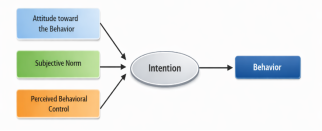
The Theory of Planned Behavior (TPB) is a psychological framework that seeks to explain human behavior by focusing on individual attitudes, subjective norms, and perceived behavioral control. Developed by Icek Ajzen in the late 1980s, the TPB posits that these three components influence a person's intention to engage in a specific behavior, ultimately affecting the actual behavior itself. The model of the TPB is illustrated in
Figure 1:
Figure 1. Theory of planned Behaviour (TPB) Model (Ajzen, 1991).
1) Beliefs refer to the outcome of a certain behavior, shaped by underlying factors such as behavioral beliefs, normative beliefs, and control beliefs.
2) Attitudes refer to the evaluation of these beliefs, consisting of behavioral evaluations, normative evaluations, and control evaluations.
3) Subjective Norms represent the collective views of these evaluations, influenced by injunctive and descriptive norms.
4) Perceived Behavioral Control reflects the ease or difficulty of the behavior in question, shaped by self-efficacy, controllability, and resource availability.
2.2.2. Application of the Theory
The TPB provides a valuable lens for examining household consumption patterns, particularly in the context of food acquisition, storage methods, and food management behaviors, which are key determinants of household food security and nutritional well-being. In rural economies, food production is often seasonal, resulting in unconstrained access in some periods and constrained access in others. Households' ability to store food during abundant periods directly affects their food security in constrained seasons. In Ghana, staple food products provide about 55-57% of total household food calorie acquisition, with millet and soy contributing 10-12%
| [1] | Ajzen, I. (1985). From intentions to actions: A theory of planned behavior. In J. Kuhl & J. Beckman (Eds.), Action control: From cognition to behavior (pp. 11–39). Springer.
https://doi.org/10.1007/978-3-642-69746-3_2 |
[1]
. Food management performances can be explained by the TPB, which helps to understand household consumption patterns of early millet in the Zuarungu community of the Upper East Region of Ghana. Grinded millets, often mixed with a small amount of sorghum, are used to prepare broth, a staple food for both adults and infants. The availability of communal mills, which are often rented by low-income households, also influences food processing and consumption behaviors. Farming practices in Zuarungu have evolved due to the influence of Sustainable Development Goals. Early millet, previously harvested only once annually, is now harvested multiple times a year. Consequently, understanding household consumption patterns of early millet and the factors influencing these patterns has become crucial. In this study, the TPB is applied to examine specific determinants of household consumption patterns of early millet
.
The TPB provides a valuable lens for examining household consumption patterns, particularly in the context of food acquisition, storage methods, and food management behaviors, which are key determinants of household food security and nutritional well-being. In rural economies, food production is often seasonal, resulting in unconstrained access in some periods and constrained access in others. Households' ability to store food during abundant periods directly affects their food security in constrained seasons. In Ghana, staple food products provide about 55-57% of total household food calorie acquisition, with millet and soy contributing 10-12%
| [1] | Ajzen, I. (1985). From intentions to actions: A theory of planned behavior. In J. Kuhl & J. Beckman (Eds.), Action control: From cognition to behavior (pp. 11–39). Springer.
https://doi.org/10.1007/978-3-642-69746-3_2 |
[1]
. Food management performances can be explained by the TPB, which helps to understand household consumption patterns of early millet in the Zuarungu community of the Upper East Region of Ghana. Grinded millets, often mixed with a small amount of sorghum, are used to prepare broth, a staple food for both adults and infants. The availability of communal mills, which are often rented by low-income households, also influences food processing and consumption behaviors. Farming practices in Zuarungu have evolved due to the influence of Sustainable Development Goals. Early millet, previously harvested only once annually, is now harvested multiple times a year. Consequently, understanding household consumption patterns of early millet and the factors influencing these patterns has become crucial. In this study, the TPB is applied to examine specific determinants of household consumption patterns of early millet
.
1) Attitudes toward Early Millet Consumption: Early millet is not only a staple food in Zuarungu but also holds cultural significance. Households with positive attitudes towards early millet may view it as a source of nutrition and a connection to their heritage. Conversely, negative attitudes possibly due to the availability of alternative foods or misconceptions about its nutritional value may hinder its consumption. Understanding these attitudes provides insights into strategies to promote early millet as a viable food option.
2) Subjective Norms and Social Influence: The social fabric of Zuarungu significantly influences consumption patterns. If community leaders, health practitioners, and farmers actively promote early millet as a traditional food with numerous health benefits, this can foster a positive perception among households. Peer influences also play a critical role; when families observe their neighbors consuming early millet, they may be encouraged to do the same. Interventions such as community events or cooking demonstrations could effectively improve the social norm surrounding early millet and increase its consumption.
3) Perceived Behavioral Control over Consumption: The perceived control over early millet consumption is influenced by several factors, including availability in local markets, economic factors (such as pricing), and knowledge about preparation methods. Households that perceive early millet as readily available and affordable are more likely to include it in their diets. Additionally, education on cooking techniques and nutritional benefits can enhance perceived control. If households believe they can easily incorporate early millet into their meals, their likelihood of consumption increases.
Additional empirical and theoretical studies further support the relevance of early millet and related food consumption behaviors. Research has demonstrated the importance of magnesium-rich foods in promoting cardiovascular health
, the drought tolerance and efficient water use of millets and sorghum under climate stress
| [13] | Hadebe, S. T., Modi, A. T., & Mabhaudhi, T. (2017). Drought tolerance and water use of cereals: Focus on sorghum and millets. Water SA, 43(4), 602–613.
https://doi.org/10.4314/wsa.v43i4.15 |
[13]
, and the broader impacts of climate change on West African agricultural systems
| [14] | Jalloh, A., Nelson, G. C., Thomas, T. S., Zougmoré, R., & Roy-Macauley, H. West African agriculture and climate change: A comprehensive analysis. International Food Policy Research Institute (IFPRI). 2013. https://doi.org/10.2499/9780896292048 |
[14].
Studies examining millet processing reveal that cooking methods significantly influence nutrient composition and retention
| [22] | Singh, G., Kawatra, A., & Sehgal, S. Nutritional composition of pearl millet as influenced by cooking methods. International Journal of Food Sciences and Nutrition. 2012, 63(2), 103–112. https://doi.org/10.3109/09637486.2011.603830 |
[22]
, while adoption of biofortified millet varieties has been associated with improved household nutrition outcomes
Evidence from smallholder farming systems shows that production diversity enhances dietary diversity and food security
| [24] | Sibhatu, K. T., Krishna, V. V., & Qaim, M. (2015). Production diversity and dietary diversity in smallholder farm households. Proceedings of the National Academy of Sciences, 112(34), 10657–10662. https://doi.org/10.1073/pnas.1510982112 |
[24]
. Applications of the Theory of Planned Behavior in food consumption studies confirm its effectiveness in explaining household dietary decisions
.
Moreover, millet-based foods exhibit prebiotic and probiotic potential that supports gut health
, and recent innovations in millet-based products across Africa highlight opportunities for commercialization and value addition
.
2.3. Conceptual Framework
2.3.1. Household Consumption Patterns of Early Millet (Nara)
Early Millet (Nara) is a traditional grain with significant nutritional, economic, and cultural value, particularly in regions where millet is a staple. Understanding household consumption patterns of Nara requires an examination of various factors influencing its use. These include meal preparation strategies, current consumption levels, consumer perceptions, and existing barriers and enablers that affect accessibility and affordability. This framework explores these interconnected factors and their impact on the adoption and consumption of Nara in households. Meal Preparation Strategies. The way a food item is incorporated into daily meals plays a crucial role in determining its consumption levels. Household meal preparation strategies influence the extent to which Nara is included in diets. This factor considers:
1) Type of meals: Different households have varied culinary preferences, and the extent to which Nara can be incorporated into local or modern recipes determines its relevance in daily cooking. Some households may use it for porridge, bread, or as a substitute for other cereals.
2) Frequency of preparation: The regularity with which Nara-based meals are prepared affects its household demand. If it is cooked frequently, it becomes an integral part of the diet, whereas occasional use may indicate limited acceptance or accessibility.
2.3.2. Current Level of Nara Consumption
Consumption levels indicate the degree to which Nara is integrated into household diets. The consumption trends provide insight into whether households view Nara as a staple or a supplementary grain. This is assessed through:
1) Quantity consumed: The amount of Nara used per meal or per household within a given period provides an indication of its dietary importance. Large quantities suggest widespread acceptance, while minimal usage may imply barriers to consumption.
2) Frequency of consumption: Some households may consume Nara daily, weekly, or seasonally. Frequent consumption suggests a strong preference or easy availability, whereas sporadic use may indicate challenges such as cost, accessibility, or lack of knowledge about its benefits. Consumer Perceptions and Attitudes Consumer attitudes toward Nara significantly affect their willingness to include it in their meals. Positive perceptions can encourage widespread consumption, while negative views may hinder its adoption. Several factors shape consumer attitudes:
a). Satisfaction levels: The degree to which households are satisfied with Nara’s taste, texture, and overall quality influences continued consumption. Higher satisfaction leads to increased demand.
b). Perceived benefits: Households may consume Nara based on its nutritional and health benefits, such as being gluten-free, high in fiber, and rich in essential minerals. The more people recognize these advantages, the more they may be willing to consume it regularly.
c). Cultural significance: In many communities, certain foods hold traditional or ceremonial value. If Nara is deeply embedded in local traditions, its consumption is likely to be sustained across generations.
d). Colour and taste: Sensory attributes influence consumer acceptance. Some people may prefer lighter or darker grains, and the taste of Nara compared to other cereals may determine whether it becomes a preferred choice.
Key considerations include:
1) Availability and accessibility: The presence of Nara in local markets or households plays a crucial role in its consumption. If it is scarce or difficult to obtain, demand may drop despite potential consumer interest.
2) Price and affordability: Cost plays a major role in household consumption decisions. If Nara is relatively expensive compared to alternative grains such as maize or rice, its consumption may be limited, especially among low-income families.
3) Awareness and knowledge: Many consumers make dietary choices based on familiarity and knowledge. If they lack information about the nutritional and culinary benefits of Nara, they may not actively seek it out. Educational campaigns and food demonstrations can play a role in increasing its adoption.
2.3.3. Household Consumption Patterns of Early Millet (Nara)
The interaction of the above factors ultimately shapes household consumption patterns. If meal preparation strategies favor Nara, consumption levels are high, perceptions are positive, and enablers such as affordability and availability are in place, then household consumption of Nara will likely increase. However, if significant barriers exist, consumption patterns may remain inconsistent or low. This conceptual framework provides a structured approach to analyzing the factors influencing Nara consumption at the household level. Understanding these determinants can help policymakers, agricultural stakeholders, and nutritionists develop strategies to promote the grain’s adoption, ensuring that its nutritional and economic benefits are fully realized in communities that stand to gain from its consumption.
2.4. Definition and Types of Early Millet (Naara)
Nutrition is the key for the overall development of people. Even today, with the complexity growth of civilization and industrialization, food has been the most powerful weapon in winning the war of hunger. Understanding the food habit gives a better life which is the aim of most anthropologists today. Household consumption patterns intend to examine the pattern of the acquisition, preparation and the consumption of the food in the domestic life among the different categories of people. It is problematic in such social context between agriculture production and domestic cycle of the economy. The focus will be on the nutritional value of the early millet in the context of household consumption patterns in Zuarungu, Upper East Region, Ghana. This study is focused on the dieri people of Zuarungu. Household consumption patterns are essentially social and cultural phenomena. Time budget provides an insight into general patterns of work and leisure as it relates to domestic and subsistence pursuits of a people
. Dietary patterns should be understood in their cultural context, including the social, economic, and traditional aspects of eating practices. Millets, a group of food crops, contains different types of species as such finger millet, pearl millet, sorghum and two types of broom corn millets—these are essential food materials in Africa and Asia. In Africa, each species of millet shows modified forms. So, it indicates the taxonomic importance of millets. Some small millets found to be established in the hilly regions of India, Deccan regions and others also. Millets are used for food from the ancient period in India. These millets are suitable for cultivation under rain-fed conditions. Up to thirty-five species of millet are found in India. In these, a sizeable acreage is under cultivation only two major millets—they are finger millet and foxtail millets. Apart from above, two minor millets such as hill millet, rose millet, and Italian millet are also available in India. However, their productivity is very low compared to small millets
. Even though there is little information on the occurrence of diseases and pests of small millets, some of the disease symptoms are found in the finger millet. Because of that, the finger millet is known as cholam. It is inevitable to know about the role of small millets on food in human life.
2.5. Nutritional Benefits of Early Millet
One of Ghana's most traditional cereal crops is nara, or early millet, which is especially important in the country's five northern regions. Following sorghum, rice, and maize, it is regarded as the fourth most significant cereal crop. Because of its ability to withstand severe weather conditions, naara has been a dependable food source in these areas for many generations. Naara can grow in nutrient-poor soils with little rain, in contrast to maize, which needs fertilizers and heavy rainfall to flourish. A key characteristic that makes it a mainstay in areas with unpredictable rainfall is its resistance to drought
| [9] | Dogbe, W., Bosiako, C. A., & Amoako, F. Consumer preference for maize and rice over millet in Ghana. African Journal of Agricultural Research. 2020, 15(3), 112–121.
https://doi.org/10.5897/AJAR2019.14562 |
[9]
. Two main varieties of millet are grown in Ghana: the late-maturing Zea variety and the early-maturing Naara variety, according to Asungre
| [9] | Dogbe, W., Bosiako, C. A., & Amoako, F. Consumer preference for maize and rice over millet in Ghana. African Journal of Agricultural Research. 2020, 15(3), 112–121.
https://doi.org/10.5897/AJAR2019.14562 |
[9]
, a pearl millet breeder and researcher at CSIR-SARI in the Bawku Municipality. The early-maturing variety takes about 70–75 days to reach harvest maturity. Examples of such varieties are Kaanati, Akad-kom, Naad-kohblug, Afribeh-Naara, and Waapp-Naara. The improved varieties, such as Afribeh-Naara, can yield up to 1.9 tons per hectare under ideal conditions, whereas the traditional varieties yield roughly 0.6 tons per hectare. Some varieties show some tolerance to downy mildew, a crop disease that can be devastating, but the Waapp-Naara variety is resistant to it
| [9] | Dogbe, W., Bosiako, C. A., & Amoako, F. Consumer preference for maize and rice over millet in Ghana. African Journal of Agricultural Research. 2020, 15(3), 112–121.
https://doi.org/10.5897/AJAR2019.14562 |
[9]
. Naara is consumed across Ghana and West Africa, where it is used to prepare various traditional foods such as porridge (kooko), deep-fried cakes (maasa), and the popular northern dish Tuo Zaafi (TZ). In addition to being a versatile food crop, Naara is highly nutritious, with high levels of iron and zinc. These micronutrients make it particularly beneficial for pregnant women, breastfeeding mothers, and young females who are at risk of iron and zinc deficiencies. Despite its high nutritional value, Naara’s potential has only recently been recognized and utilized in health-promoting diets across the region
| [9] | Dogbe, W., Bosiako, C. A., & Amoako, F. Consumer preference for maize and rice over millet in Ghana. African Journal of Agricultural Research. 2020, 15(3), 112–121.
https://doi.org/10.5897/AJAR2019.14562 |
[9]
. This historical significance, combined with its agricultural and nutritional advantages, underscores Naara’s continued importance in food security and public health in Ghana. Millets, including early millet, are rich in nutrients that make them a valuable addition to human diets. Studies by Saleh et al.
highlight that millet is a good source of carbohydrates and is especially high in dietary fiber, which aids in digestion. Millet is rich in essential minerals such as iron, magnesium, and phosphorus. Millet is also gluten-free, which makes it an ideal grain for individuals with celiac disease or gluten intolerance. Moreover, millet has a low glycemic index, making it beneficial for managing blood sugar levels, which is crucial in preventing and managing diabetes
.
2.6. Economic Importance of Millet in Ghana
Millet holds substantial economic importance, particularly in Northern Ghana, where it serves as both a subsistence and commercial crop. Research by Appiah-Twumasi
.
Crop diversification and farm household food and nutrition security in Northern Ghana. Environment, Development and Sustainability, 26(1), 157–185. The sale of millet in local markets provides an important source of income for farmers. Furthermore, the grain is used as a raw material in the brewing industry, especially in the production of local beers and other food products
| [16] | Meier, C. (2020). Nutritional and sensory evaluation of gluten-free millet bread. International Journal of Food Science and Technology, 55(11), 3452–3460.
https://doi.org/10.1111/ijfs.14576 |
[16]
.
Compendium of Community and Indigenous Strategies for Climate Change Adaptation. However, millet remains underutilized compared to crops like maize and rice, partly due to limited commercialization and consumer preference for these other grains
.
2.7. Challenges to Millet Production and Consumption
Despite its advantages, several challenges hinder millet production and consumption in Ghana. Climate change, characterized by erratic rainfall patterns and extended periods of drought, is a major challenge to millet production
| [18] | Nambiar, V. S., Dhaduk, J. J., Sareen, N., Shahu, T., & Desai, R. Potential functional implications of pearl millet (Pennisetum glaucum) in health and disease. Journal of Applied Pharmaceutical Science. 2011, 1(10), 62–67.
https://doi.org/10.7324/JAPS.2011.1109 |
[18]
. Millet is often grown under rain-fed conditions, making it highly vulnerable to climate variability. Additionally, the lack of access to improved seed varieties and modern farming techniques limits production yields. On the consumption side, research by Dube et al.
suggests that millet is perceived as a “poor man’s crop” in urban areas, where diets are shifting toward wheat and rice. This negative perception, combined with inadequate value-chain development, discourages large-scale commercialization of millet
.
3. Methodology
A cross-sectional survey was employed. Data were collected from 200 households using structured questionnaires. Purposive and stratified random sampling ensured diversity in gender, age, and socio-economic status.
The study area, Zuarungu in the Upper East Region, was selected due to its reliance on millet cultivation. Data analysis employed SPSS to generate descriptive statistics and inferential tests to assess relationships between demographic factors and consumption patterns.
3.1. Research Design
The study employed a cross-sectional survey design, which is well-suited for collecting quantitative data on consumer perceptions, barriers, and enablers of early millet (Naara) consumption within a specific timeframe. This design was chosen because it allows for a systematic examination of variables, such as household consumption patterns and consumer attitudes, among a representative sample of the population. It also facilitates the use of statistical tools to analyze relationships and trends in the data. For this analysis, Statistical Package for the Social Sciences (SPSS) was used as the primary tool for data processing and statistical analysis. SPSS provides a comprehensive set of features that are well-suited for conducting descriptive and inferential statistical analysis. Through SPSS, the study was able to perform a variety of analyses, including descriptive statistics to summarize consumer behaviours and attitudes, Analysis of Variance (ANOVA) to compare the means of multiple groups and assess whether there are significant differences in attitudes or consumption behaviours across different demographic categories, such as income levels or education. Additionally, regression analysis was conducted to identify key factors influencing millet consumption.
3.2. Study Area
The research was conducted in Zuarungu, a community within the Bolgatanga East District of the Upper East Region of Ghana. The Upper East Region is located in northern Ghana, with Bolgatanga as its capital city. The region shares borders with Burkina Faso to the north and Togo to the east, covering an area of 8,842 square kilometers, which accounts for 3.7% of Ghana's total land area (238,540 km2). Zuarungu, like much of the Upper East Region, is predominantly rural, with agriculture serving as the main economic activity. The area's semi-arid climatic conditions make it particularly suitable for cultivating drought-resistant crops like millet, which are integral to local agricultural practices. The terrain in the region is generally flat, with a few hills in the eastern and southeastern parts. It experiences a single rainy season followed by a long dry season, contrasting with the southern regions of Ghana that have two rainy seasons annually. The economic conditions of Zuarungu and the broader Upper East Region provide a compelling context for studying early millet consumption patterns. Agriculture accounts for about 80% of the region's economy, with activities such as cattle husbandry and the cultivation of millet, sorghum, and rice playing significant roles. However, the region faces substantial socio-economic challenges, with over 79% of the population living in rural areas and many residing in scattered communities. According to the Ghana Poverty Reduction Strategy II, 88% of the population in the Upper East Region is considered poor, a figure significantly higher than the national average of 68.5%. These economic and cultural dynamics make Zuarungu an ideal location for investigating the factors influencing early millet consumption. The findings will not only shed light on local practices but also provide insights that could inform broader strategies to address food security and promote sustainable agriculture in similar rural and economically disadvantaged regions.
3.3. Target Population
The target population comprised household heads or primary decision-makers responsible for food consumption and purchasing decisions in Zuarungu. This group was selected because their choices and perceptions significantly influence household dietary practices.
3.4. Sample Size and Sampling Techniques
The study used a sample size of 200 households, determined using the Cochran formula for calculating sample sizes in survey research. Simple random sampling was applied to select households within each stratum, ensuring every household had an equal chance of being included in the study. According to Creswell
| [21] | Saleh, A. S. M., Zhang, Q., Chen, J., & Shen, Q. (2013). Millet grains: Nutritional quality, processing, and potential health benefits. Comprehensive Reviews in Food Science and Food Safety, 12(3), 281–295.
https://doi.org/10.1111/1541-4337.12012 |
[21]
, simple random sampling is a fundamental technique in quantitative research that ensures each individual in the population has an equal probability of being selected. This method enhances the representativeness of the sample, reduces selection bias, and supports the generalizability of findings to the broader population. By fostering fairness and randomness in participant selection, it provides a robust foundation for valid statistical inferences.
3.5. Data Collection Methods
Primary data were collected using a structured questionnaire. The questionnaire was divided into sections to capture: Demographic and socio-economic characteristics of respondents. Current consumption patterns of early millet. Factors influencing perceptions and attitudes toward Nara consumption. Barriers and enablers to increased consumption. The questionnaire consisted of closed-ended and Likert-scale questions to facilitate quantifiable responses. A pilot test was conducted with 20 households to validate the instrument's reliability and ensure clarity. Based on the pilot test results, necessary adjustments were made before full-scale data collection.
3.6. Validity and Reliability of the Study
To ensure the validity and reliability of the study, several measures were implemented.
3.7. Validity
The study's validity was ensured through expert review and pilot testing of the questionnaire. Content validity was established by seeking input from field experts and academics to confirm that the survey items accurately captured the study variables. Construct validity was ensured through factor analysis, verifying that the questionnaire items effectively measured consumer perceptions, attitudes, and consumption patterns of early millet (Naara). Furthermore, external validity was addressed by selecting a representative sample from Zuarungu to ensure generalizability of the findings to similar rural settings.
3.8. Reliability
Reliability of the study was assessed through a pilot study conducted with 25 randomly selected households. Internal consistency was measured using Cronbach’s alpha coefficient, ensuring that the Likert-scale items within the questionnaire produced consistent and stable responses. Inter-rater reliability was used to assess the consistency of ratings provided by multiple independent evaluators in the study. This measure ensured that subjective judgments were applied uniformly across all observations, minimizing potential biases arising from individual differences in interpretation. The results of the inter-rater reliability analysis indicated a substantial level of agreement (κ = 0.78), confirming that the evaluation process was reliable and reproducible. This ensured that the data used for subsequent analyses accurately reflected the intended constructs, thereby strengthening the validity of the study’s findings. Additionally, test-retest reliability was employed by administering the questionnaire to a subset of respondents at two different time points to check for consistency in their responses. By implementing these validity and reliability measures, the study ensured the accuracy and dependability of the data collected, leading to meaningful and credible research outcomes.
3.9. Data Analysis
The collected data were analyzed using the Statistical Package for the Social Sciences (SPSS) software. Descriptive statistics, such as frequencies, percentages, and means, were used to summarize the data. Inferential statistics, including chi-square tests and logistic regression analysis, were employed to examine relationships between variables, such as socio-demographic factors and millet consumption patterns. Additionally, exploratory factor analysis (EFA) was used to identify underlying factors influencing consumer attitudes toward Naara consumption. Results were presented in tables and charts for easy interpretation.
3.10. Ethical Considerations
Ethical approval for the study was obtained from the Institutional Review Board of the researcher's university. Participants were provided with an informed consent form detailing the purpose of the study, their right to participate voluntarily, and assurances of confidentiality. Personal data were anonymized, and participants were free to withdraw at any point without any repercussions.
4. Results and Discussion
4.1. Introduction
The study's findings are presented in this chapter with an emphasis on the following specific goals: household consumption patterns of early millet (Nara) in Ghana's Upper East Region, as well as socioeconomic and demographic aspects influencing Early millet consumption. It also includes the answers that participants provided to the questions pertaining to the study subject.
4.2. Data Presentation and Analyses
The data collected from the survey were systematically organized and analyzed to address the research objectives. Descriptive statistics, including frequencies, percentages, and mean scores, were used to summarize the respondents’ demographic characteristics and key variables. The findings are presented in tables and figures to enhance clarity and comprehension. Inferential analyses, such as correlation and regression tests, were conducted to examine the relationships between the major variables. The results reveal significant trends that provide insights into the research questions and form the basis for the discussion in the subsequent section.
4.3. Demographic Information of the Customers
The researcher presents information about the respondents' demographic traits in this part. The backgrounds of the respondents contribute to the trustworthiness of the data gathered and, ultimately, the study's conclusions. Demographic information on factors including age, gender, educational background, occupation and household size was gathered for the study.
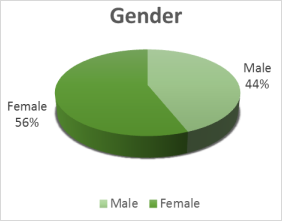
Figure 2. Gender Distribution.
Table 1. Age Distribution.
Age Group | Frequency | Percentage |
18–25 | 8 | 4% |
26–35 | 88 | 44% |
36–45 | 64 | 32% |
46–55 | 32 | 16% |
56+ | 8 | 4% |
Total | 200 | 100% |
Source: Researcher’s Fieldwork, 2025
Table 2. Educational Background.
Educational Level | Frequency | Percentage |
Junior High | 34 | 17% |
Senior High | 50 | 25% |
Tertiary | 110 | 55% |
Never | 6 | 3% |
Total | 200 | 100% |
Source: Researcher’s Fieldwork, 2025
Table 3. Occupation Distribution.
Occupation | Frequency | Percentage |
Teaching | 72 | 36% |
Student | 24 | 12% |
Social Work | 16 | 8% |
Administration | 16 | 8% |
Engineering | 8 | 4% |
Other | 64 | 32% |
Total | 200 | 100% |
Source: Researcher’s Fieldwork, 2025
Table 4. Household Size.
Household Size | Count | Percentage |
2 | 8 | 4% |
3 | 8 | 4% |
4 | 40 | 20% |
5 | 80 | 40% |
6 | 24 | 12% |
7 | 8 | 4% |
8 | 16 | 8% |
9 | 8 | 4% |
10 | 8 | 4% |
20 | 8 | 4% |
Total | 200 | 100% |
Source: Researcher’s Fieldwork, 2025
Table 5. Meal Preparation Strategies.
Item | 1 | 2 | 3 | 4 | 5 | Mean | SD |
1. Regularly prepare meals with early millet using boiling method | 24 | 16 | 48 | 88 | 24 | 3.36 | 1.14 |
2. Early millet is used in a variety of meals using different cooking methods | 16 | 8 | 32 | 56 | 88 | 4.04 | 1.20 |
3. Different cooking methods affect high frequency of preparing early millet meals | 16 | 40 | 32 | 56 | 56 | 3.64 | 1.25 |
4. Easy to incorporate early millet into daily cooking methods such as shallow fry e.g maasa (millet cake) | 16 | 24 | 16 | 88 | 56 | 3.88 | 1.16 |
5. Household enjoys early millet meals like zumkoom (millet drink) | 16 | 16 | 16 | 48 | 104 | 4.20 | 1.18 |
6. Used in both traditional and modern recipes | 16 | 16 | 24 | 80 | 64 | 3.92 | 1.12 |
7. Requiring no cooking, early millet delivers unmatched convenience as a ready-to-eat food source. | 16 | 8 | 24 | 80 | 72 | 4.00 | 1.10 |
8. Experiment with different preparation methods | 16 | 16 | 32 | 88 | 48 | 3.72 | 1.10 |
9. Preparation time of early millet is reasonable because cooking methods such as roasting can be applied | 8 | 0 | 24 | 80 | 88 | 4.24 | 0.94 |
10. Prefer early millet over other cereals because it can be eaten raw. | 8 | 24 | 16 | 56 | 96 | 4.12 | 1.15 |
11. Early millet is a versatile ingredient in different cooking methods. | 8 | 8 | 16 | 64 | 104 | 4.28 | 1.03 |
12. Received training/guidance on early millet meals preparation. | 32 | 32 | 24 | 80 | 32 | 3.32 | 1.26 |
13. Confident in preparing variety of early millet meals using different cooking methods | 16 | 16 | 24 | 72 | 72 | 3.84 | 1.19 |
14. Share recipes with family/friends | 24 | 24 | 40 | 72 | 40 | 3.40 | 1.20 |
15. Early millet should be prioritized in meal planning for its quick preparation time and exceptional nutritional benefits | 16 | 16 | 24 | 56 | 88 | 4.00 | 1.22 |
Source: Researcher’s Fieldwork, 2025





 Share This Article
 Twitter
 Linked In
 Facebook
 Copy
Copy Download